Improving Access to stations: Key design features of SNPs
Station Network Plans are designed to make journeys to and from railway and bus stations safer, more convenient and more enjoyable. While each Station Network Plan should respond to local context, successful plans tend to share a set of core design principles.
The following categories offer inspiration for what Station Network Plans can include, though not every plan needs to cover all aspects.
Welcoming public spaces
- Direct, linked routes between stations and key destinations (homes, schools, workplaces and services)
- Clear signage and wayfinding linked to the T Network
- Integration with existing active travel and public transport networks
- Facilities at stations for easy transitions between travel modes
- Real-time information systems to support journey planning
Connected and integrated routes
- Attractive, well-maintained station environments
- Green infrastructure and biodiversity features
- Sustainable drainage and climate-resilient design
- Respect for rural, heritage and local character
- Avoidance of unnecessary obstructions and clutter
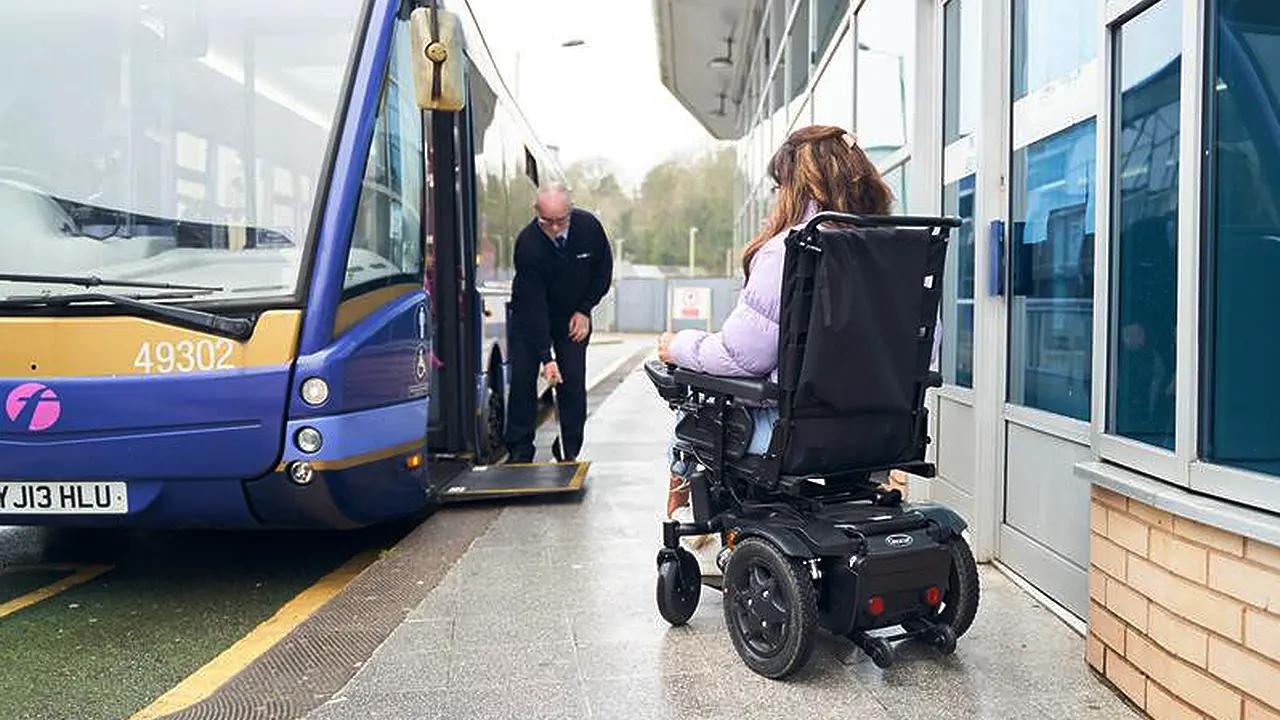
Inclusive and accessible infrastructure
- High quality, well-maintained routes for walking, wheeling and cycling.
- Separation of walking and wheeling from cycling (where appropriate) following inclusive design principles.
- Smart placement of street furniture (for examples, benches, cycle parking, repair stations and lockers).
- Good lighting, visibility and natural surveillance.
- Measures to reduce traffic speeds and volumes.
-
Station Network PlansNeed support with your SNP projectOur team can help with funding options and technical advice.Contact us